Demolition Across the Okanagan Valley
Okanagan Demolition, Permitted and Abated by One Contractor
One demolition and hazardous material contractor covering seven Okanagan communities and three regional districts.
Kelowna Based
Centrally located in the valley, with Vernon and Penticton both within routine working distance.
WorkSafe BC Certified
Fully insured and WCB compliant for demolition and hazardous material work across the province.
Hazmat Trained
Asbestos, lead and mold assessment and abatement handled in house, before the teardown.
One Contract
Survey, abatement, demolition and disposal under a single scope and a single schedule.

HazGuard Environmental is a demolition and hazardous material abatement contractor based in Kelowna and working the length of the Okanagan Valley. The valley is not one jurisdiction. It is seven municipalities and three regional districts, each issuing its own demolition permits, and a demolition project moves faster when the contractor already knows which office to file with and what that office expects to see.
This page sets out how demolition works across the region: who permits what, what the province requires before a structure comes down, how debris is handled, and which communities we cover. If you already know the community you are building in, go straight to that page from the list below.
Demolition Permits Across the Okanagan
Every incorporated municipality in the Okanagan issues its own demolition permit. Kelowna, West Kelowna, Lake Country, Peachland, Summerland, Penticton and Vernon all run separate application processes, with their own forms, fees and processing times. A permit issued by one has no standing with another, and requirements that apply on one side of a boundary may not apply on the other.
Properties outside a municipal boundary are permitted through the regional district instead. The Regional District of Central Okanagan covers the rural areas around Kelowna, West Kelowna, Lake Country and Peachland. The Regional District of Okanagan-Similkameen covers the areas around Penticton and Summerland. The Regional District of North Okanagan covers Vernon along with Coldstream, Armstrong, Enderby, Lumby and Spallumcheen.
Most Okanagan authorities want the same core things before they will release a demolition permit: proof of ownership or authorisation, confirmation that utilities have been disconnected, a plan for debris and a hazardous materials assessment. We prepare that documentation as part of the project rather than leaving it with the property owner.
Hazardous Materials Come Before the Teardown
Before any building in British Columbia is demolished or renovated, the WorkSafeBC Occupational Health and Safety Regulation requires a qualified person to inspect it for hazardous materials. That inspection is not optional and it is not waived because a project is small or because the building looks clean. Asbestos, lead and mold are the three most common findings, and asbestos in particular turns up routinely in flooring, ceiling texture, pipe insulation, drywall compound and roofing on Okanagan properties built before the 1990s.
Anything the survey identifies has to be removed by qualified workers before the structure comes down. This is the single most common reason an Okanagan demolition project slips its schedule, because owners who booked only a demolition contractor discover mid-project that they now need an abatement contractor as well.
HazGuard is both. The survey, the abatement and the demolition run under one scope, one crew and one schedule, which is why the hazardous material step does not stall the teardown.
Coverage, Travel and Disposal
Our equipment and crews are based in Kelowna, which sits close to the geographic middle of the valley. Vernon to the north and Penticton to the south are both routine working distances, and the communities in between are closer still. Travel shows up in an estimate as mobilisation, meaning the real cost of moving machinery and people to the site and back, and it is set out in writing rather than added afterwards.
Debris is separated on site and directed to the landfill or recycling facility serving that community. Hazardous material never enters the general waste stream. It is packaged, manifested and delivered through the regulated disposal channel, and the documentation goes to the property owner along with the rest of the project record.
Demolition by Okanagan Community
Demolition Kelowna
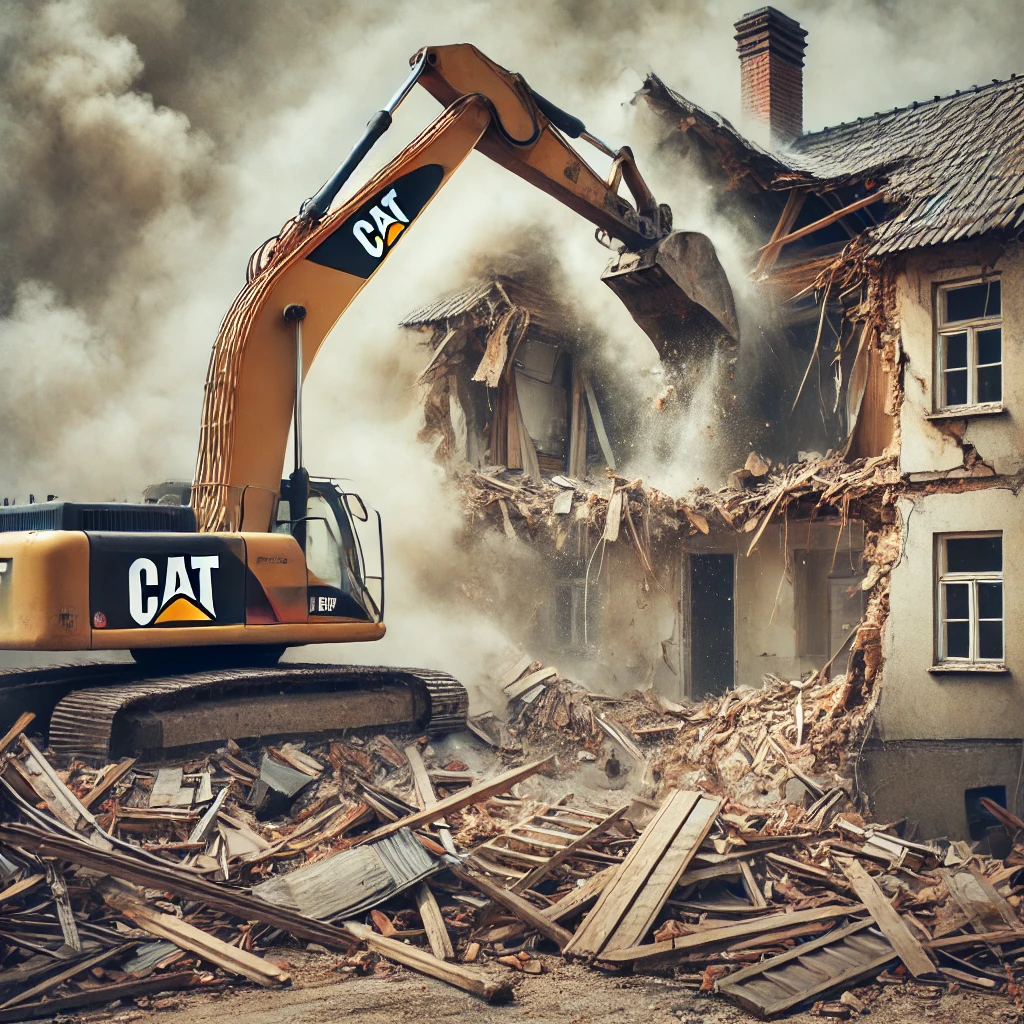
Demolition in Kelowna covers everything from single family teardowns in Rutland and Glenmore to interior strip outs downtown. The City of Kelowna issues its own demolition permit and expects hazardous materials to be assessed before the structure comes down. Debris is hauled to the Glenmore Landfill.

Demolition West Kelowna
West Kelowna runs its own permitting through the City of West Kelowna, separate from Kelowna across the bridge. Lakeview Heights, Glenrosa and Shannon Lake all contain housing stock old enough to require an asbestos survey before demolition. Westside debris goes to the Westside Residential Waste Disposal and Recycling Centre.

Demolition Lake Country
The District of Lake Country covers Winfield, Oyama, Carr’s Landing and Okanagan Centre. Lakeside and hillside lots frequently need access planning before machinery can reach the structure, and older orchard properties often carry outbuildings that come down alongside the main building.

Demolition Peachland
Peachland sits on steep ground above Okanagan Lake, so demolition here usually means shoring, controlled debris capture and erosion control on top of the teardown itself. The District of Peachland issues the demolition permit and has its own tree and slope requirements to check before work starts.

Demolition Summerland
The District of Summerland issues demolition permits for properties inside its boundaries, with the Regional District of Okanagan-Similkameen covering the surrounding rural areas. Many Summerland properties are older agricultural buildings where asbestos and lead are common and have to be dealt with before the structure is removed.

Demolition Penticton
The City of Penticton handles demolition permits within city limits. Penticton has a large stock of mid-century homes and motels, which means pre-demolition surveys regularly turn up asbestos in flooring, ceiling texture and pipe insulation. Debris is directed to the Campbell Mountain Landfill.

Demolition Vernon
Vernon anchors the north end of the valley, with the Regional District of North Okanagan covering Coldstream, Armstrong, Enderby, Lumby and Spallumcheen. The City of Vernon issues demolition permits inside city limits, and rural properties in the surrounding electoral areas are permitted through the regional district instead.
Frequently Asked Questions About Okanagan Demolition
Which Okanagan communities does HazGuard serve?
We work throughout the Okanagan Valley, including Kelowna, West Kelowna, Lake Country, Peachland, Summerland, Penticton and Vernon, along with the rural areas around them. Our base is in Kelowna, which sits close to the middle of the valley, so most of the region is within a comfortable working distance.
Do demolition permit requirements differ between Okanagan municipalities?
Yes. Each municipality issues its own demolition permit and sets its own application requirements, fees and processing times. Kelowna, West Kelowna, Lake Country, Peachland, Summerland, Penticton and Vernon all run separate processes. We confirm the requirements for the specific municipality before any work is scheduled.
Who issues a demolition permit for a rural property outside city limits?
Properties outside a municipal boundary are handled by the regional district. The Regional District of Central Okanagan covers the Kelowna, West Kelowna, Lake Country and Peachland areas, the Regional District of Okanagan-Similkameen covers the Penticton and Summerland areas, and the Regional District of North Okanagan covers the Vernon area.
Is a hazardous materials survey required before demolition in BC?
Yes. Under the WorkSafeBC Occupational Health and Safety Regulation, a qualified person must inspect a building for hazardous materials such as asbestos, lead and mold before demolition or renovation begins. This applies anywhere in the province, not just in one municipality, and any hazardous material found has to be removed by qualified workers first.
How does travel distance affect an Okanagan demolition quote?
Distance mainly affects mobilisation, meaning how long it takes to move equipment and crew to the site and back. A project in Kelowna and the same project in Penticton or Vernon are priced from the same scope of work, with mobilisation reflecting the actual travel involved. We set that out in the written estimate rather than adding it later.
Where does demolition debris go in the Okanagan?
Debris is separated and taken to the landfill or recycling facility that serves that community, and any hazardous material is handled through the appropriate regulated stream rather than going to general disposal. We manage the hauling and the disposal documentation as part of the project.
How long does an Okanagan demolition project take?
Most residential full demolitions take 3 to 5 days on site once the permit is in place and hazardous materials have been cleared. Larger or hillside sites can take longer. Interior and selective demolition can range from a few hours to several days. Hazardous material abatement is scheduled before the teardown and adds time depending on what the survey finds.
Can you handle demolition and asbestos abatement under one contract?
Yes. HazGuard is both a demolition contractor and a hazardous material abatement contractor, so the survey, the abatement and the teardown can run under one scope with one crew and one schedule. That avoids the delay of coordinating two separate companies around a permit deadline.